One Architecture.
Every Scenario.
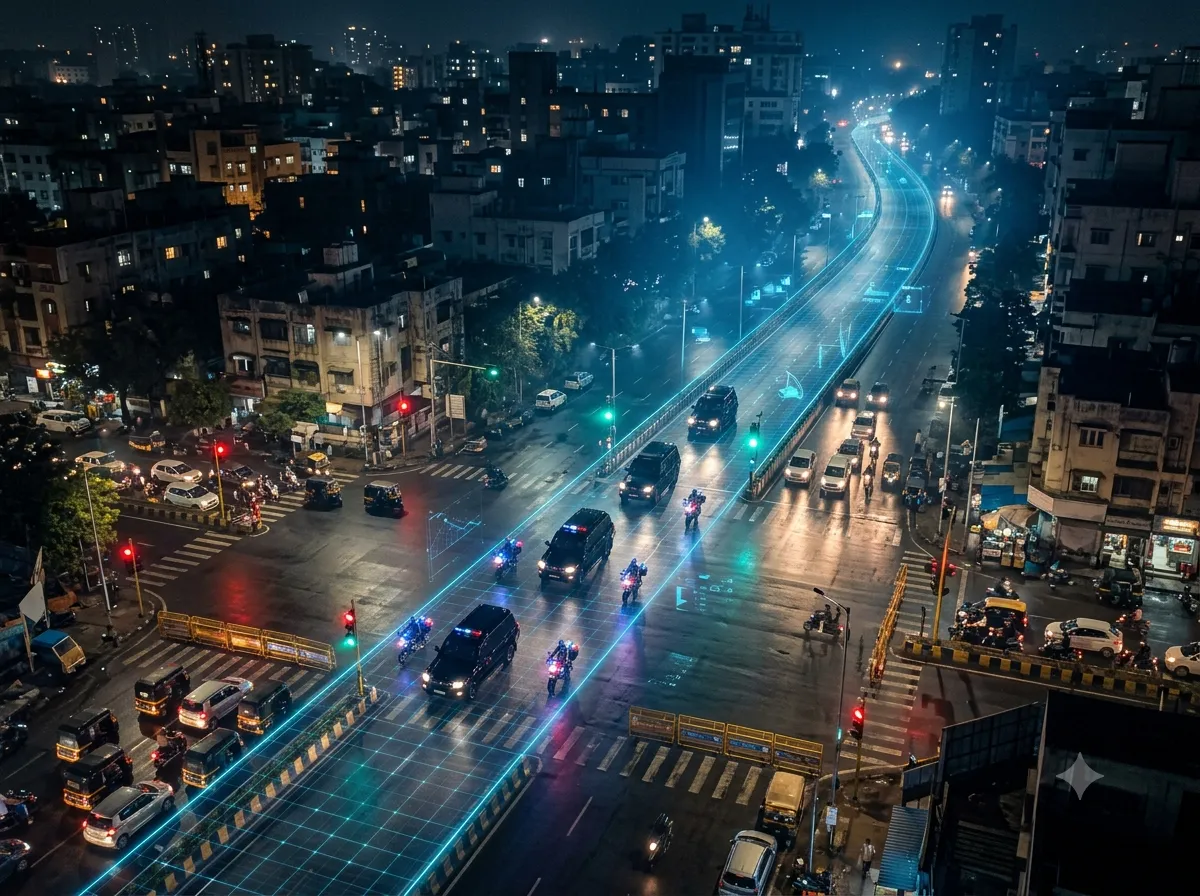
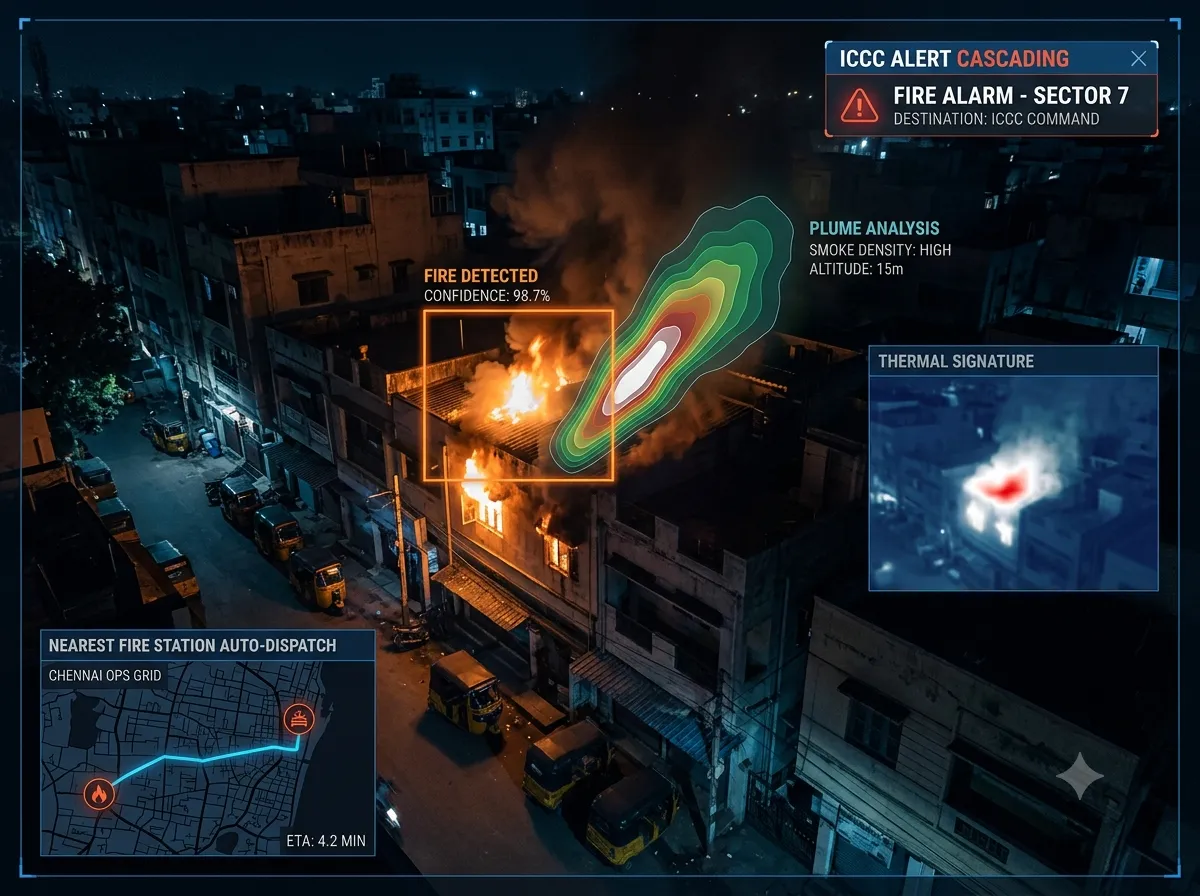
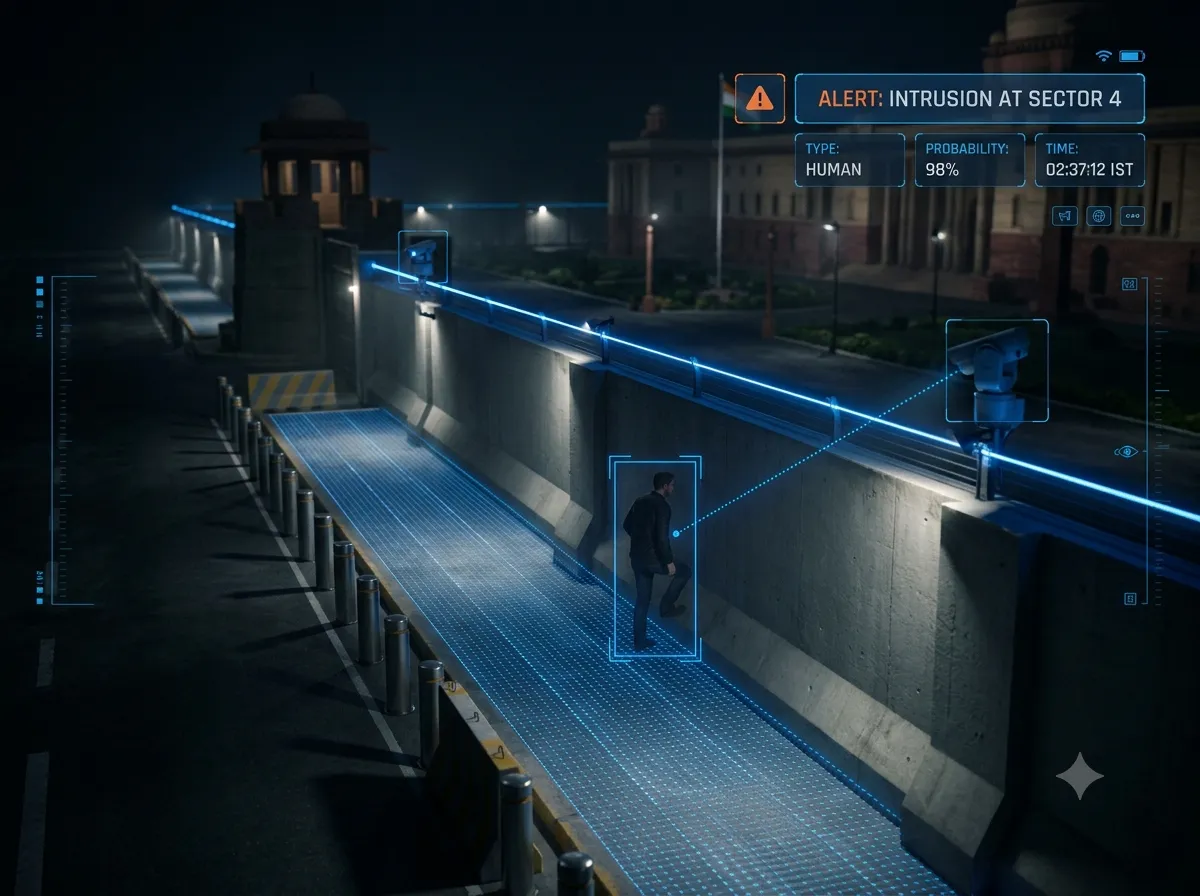
AIMCRS is not a single-use emergency response tool. It is an agile AI platform โ the same architecture that clears a corridor for an ambulance can manage a VVIP convoy, coordinate a foreign state visit, or activate a city-wide security response in minutes.
India hosts heads of state, foreign ministers, and senior diplomatic delegations across its major cities. Every visit carries a protocol requirement: clear passage, predictable timings, zero exposure windows caused by traffic failure. Today this is managed through advance route lockdowns โ blocking roads, disrupting citizens, and creating visible vulnerability patterns that any observer can track and plan around.
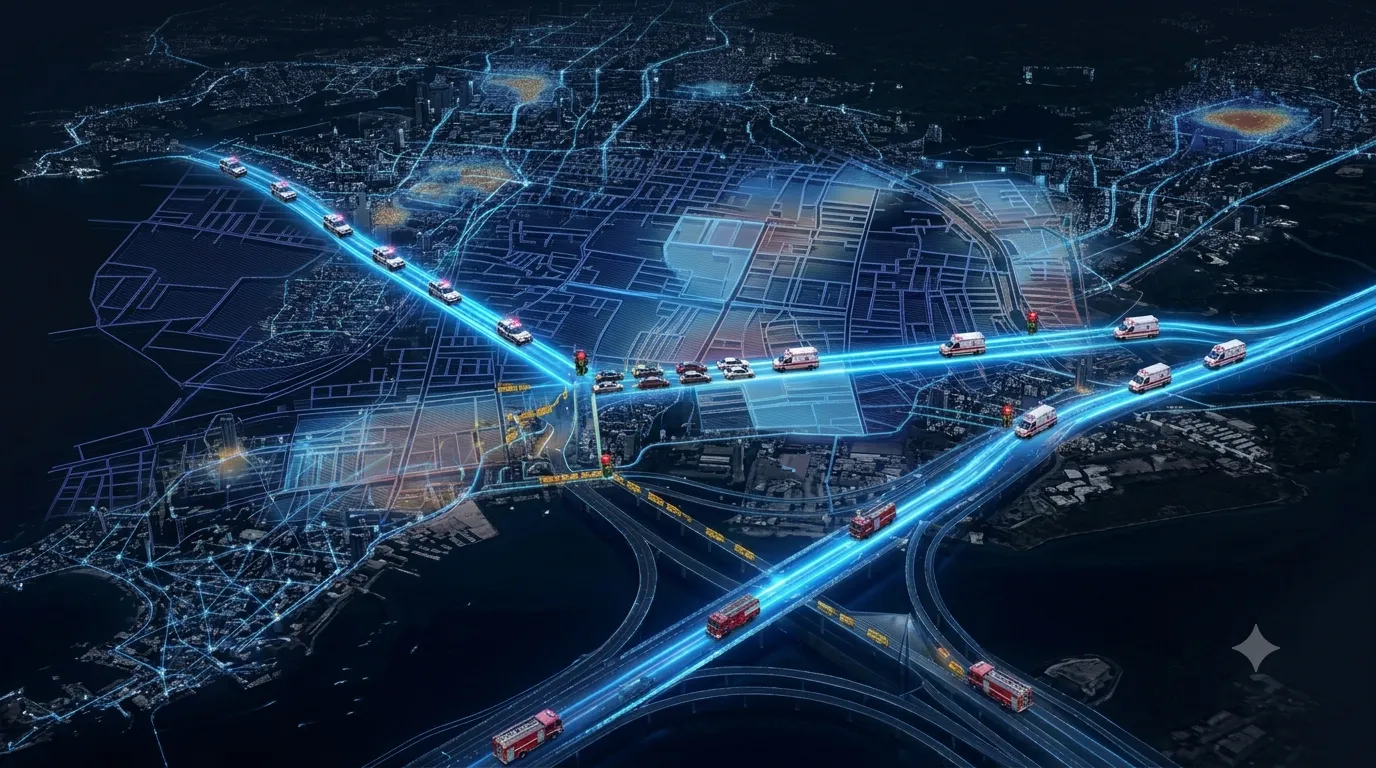
AIMCRS replaces static road closures with a dynamic intelligent corridor. No road is locked in advance. No visible preparation signals the movement. The corridor opens as the convoy moves โ and closes behind it โ managed entirely by the AI without pre-announced signal changes.
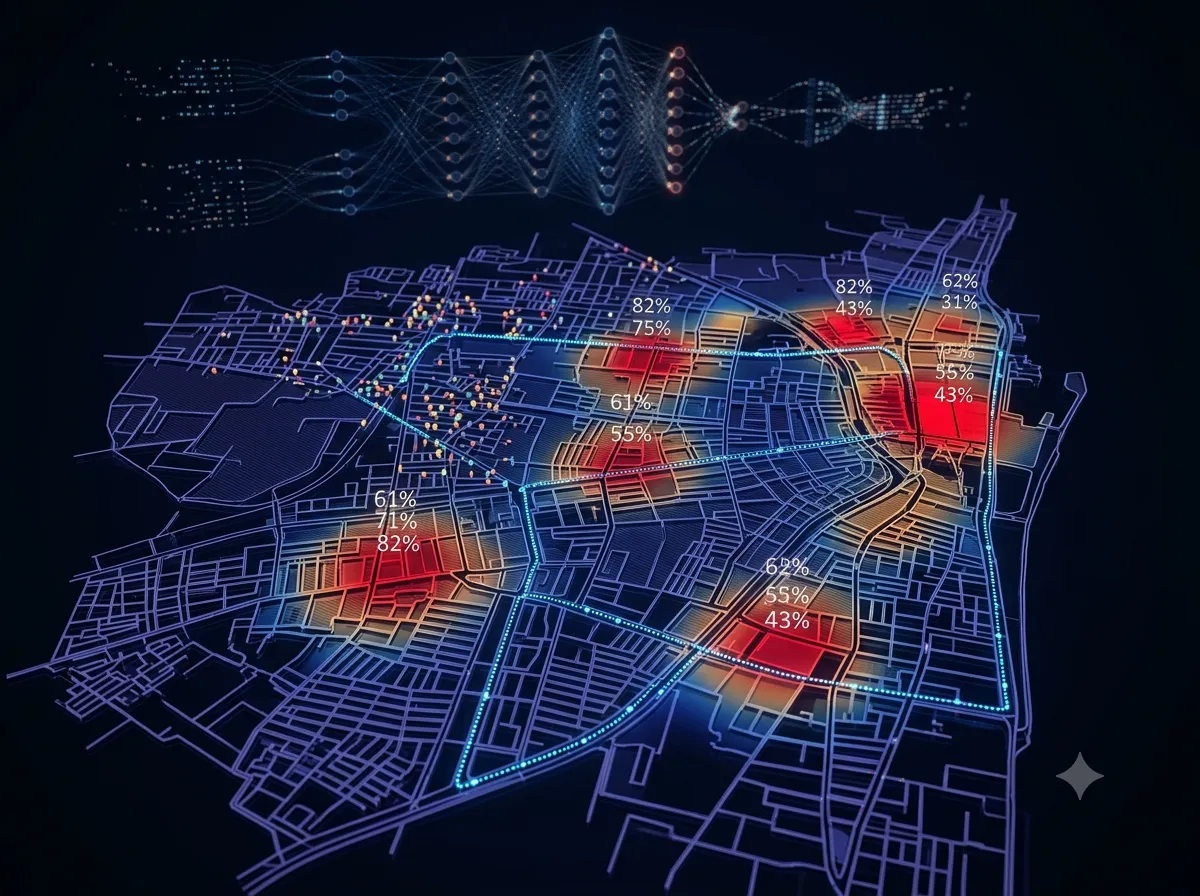
What makes AIMCRS architecturally significant is not what it does in one scenario โ it is how rapidly the same intelligence layer adapts to a completely different operational requirement. The mission architecture changes. The AI reconfigures. The corridor activates.
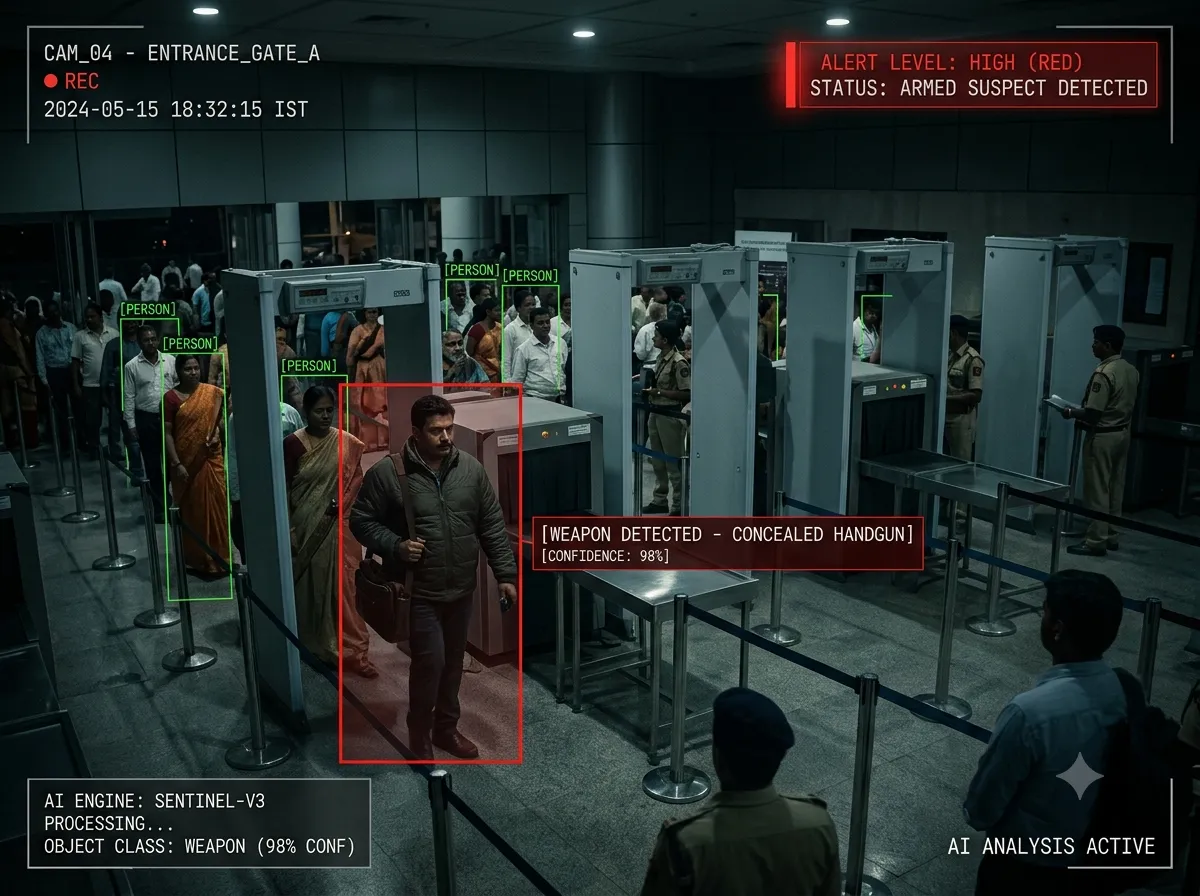
India has faced coordinated urban security crises where the speed and coordination of the government response was tested under the most extreme conditions. The lessons from those events are architectural: the bottleneck is rarely the people โ it is the systems they depend on. When those systems require committee-level decisions to move a resource from one point to another, the advantage transfers to the threat.
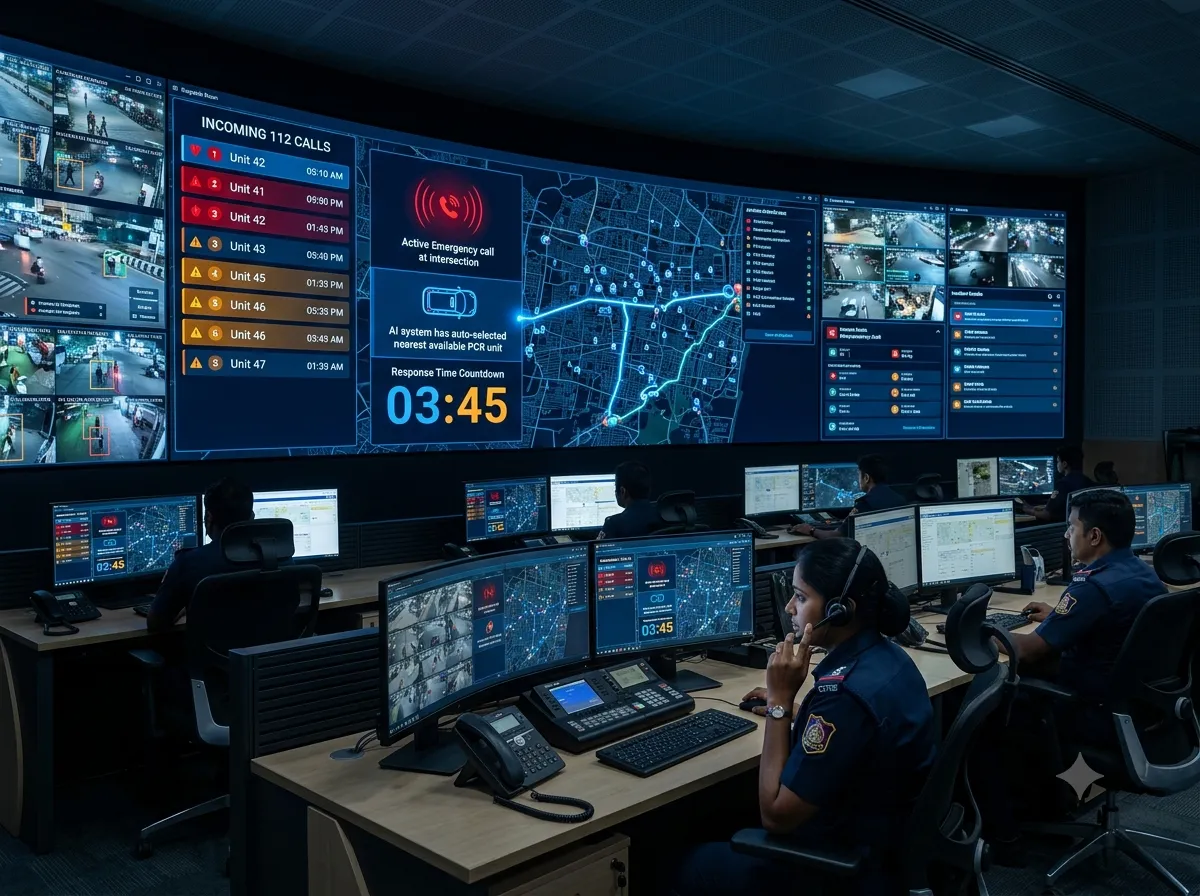
The architectural principle here is directly drawn from serious defence system design: interoperability must be engineered from Day 1, not treated as a late integration task. A police response corridor that conflicts with an ambulance corridor because the two systems cannot talk to each other is not a technology failure โ it is an architecture failure. AIMCRS is a single decision layer managing all priority movement types simultaneously.
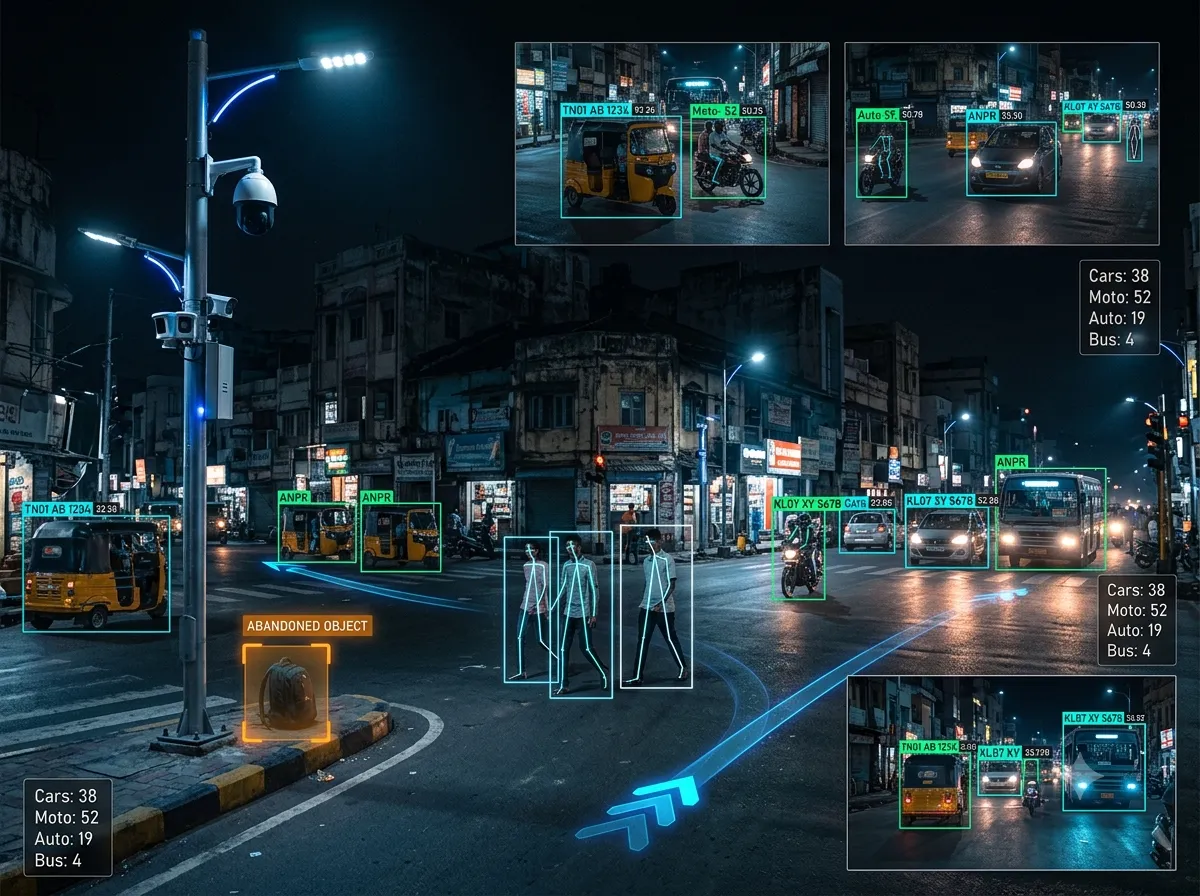
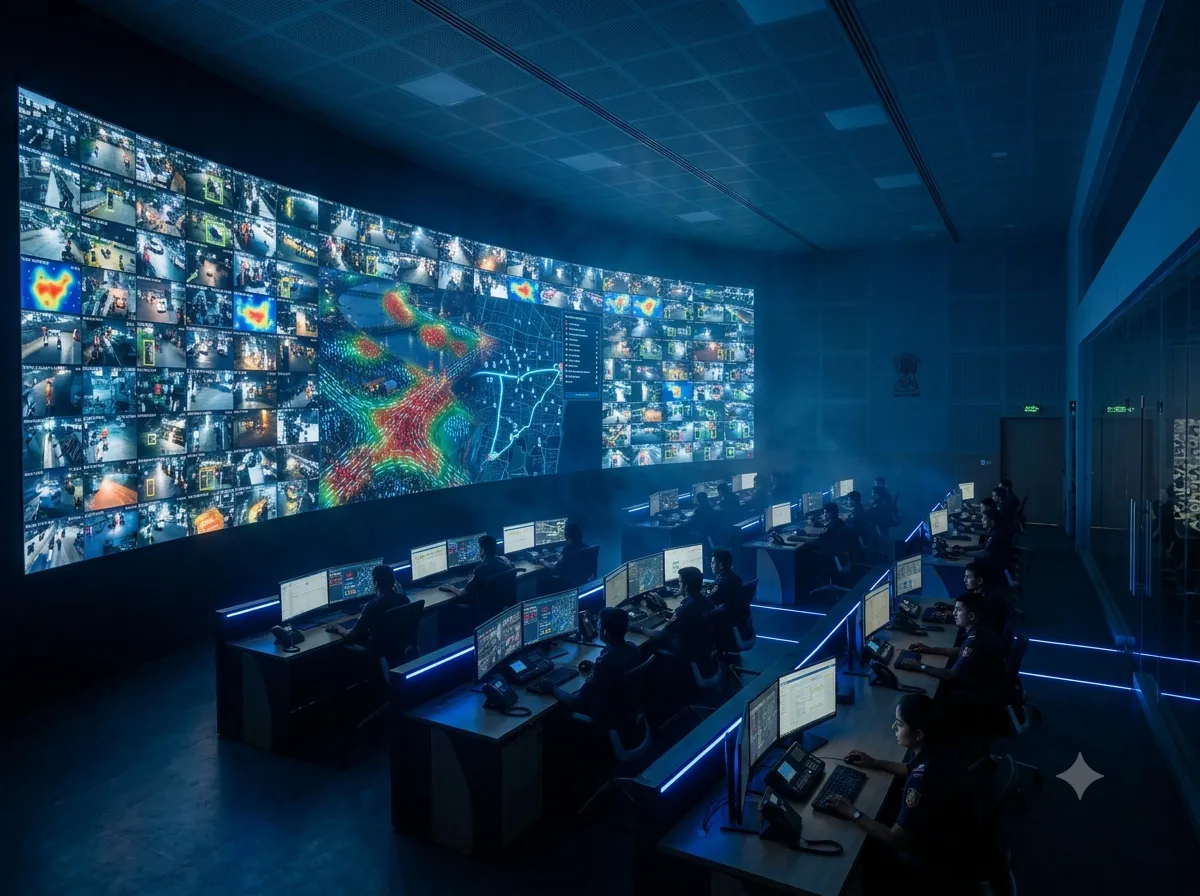
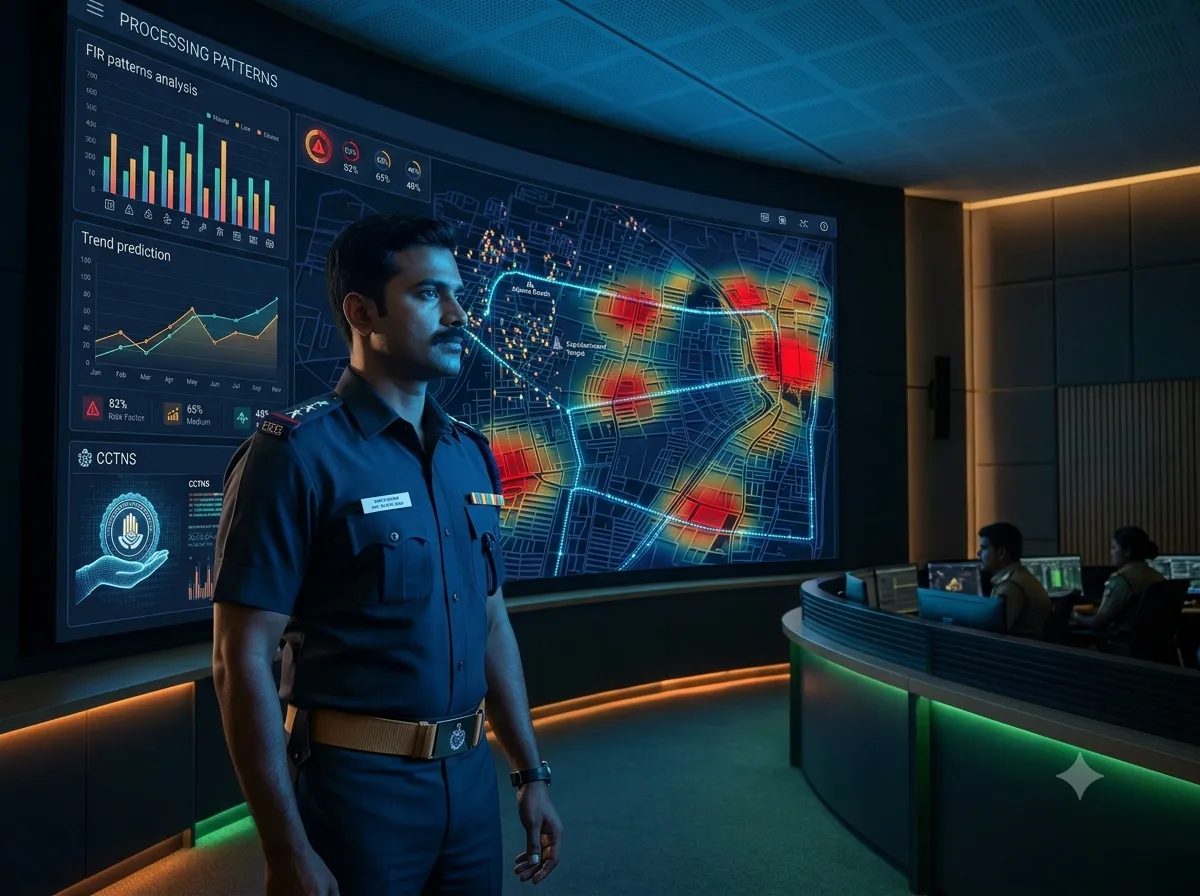
Most existing city traffic systems are sensor-rich and decision-poor. Cameras, sensors, dashboards โ the data exists. But when an emergency triggers, the system still requires human operators to manually intervene junction by junction. The data is there. The action is not.
Smart city projects across India have invested in sensors, cameras, and connected dashboards. The result is cities that are data-rich but not decision-capable. When something critical happens, the dashboards show it โ and then the phone calls begin. That is not an intelligent system. That is an expensive observer.
The challenge facing Indian municipal and state governments is architectural, not technological: who owns the interfaces between systems? Who defines the authoritative data source? Who governs change when a new sensor type or a new city system needs to be integrated โ without forcing a rewrite of everything that came before?
Without architecture ownership, interoperability becomes technical debt โ and that debt compounds precisely when operational speed is most critical. AIMCRS is designed as a true System of Systems: vendor-neutral, architecture-owned, built to evolve without breaking itself.
โถ Request a Demonstration